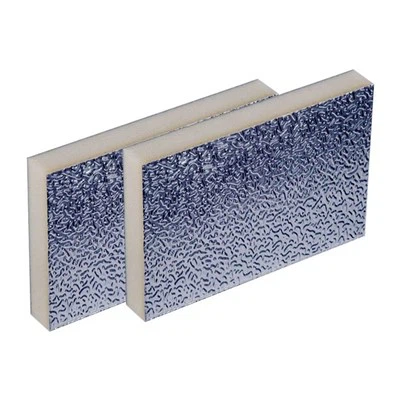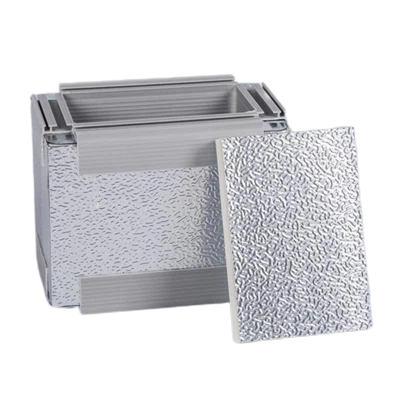


PIR Insulated HVAC Ducting Panels: Efficient, Sustainable HVAC Solutions
Insulated HVAC (Heating, Ventilation, and Air Conditioning) ducting panel is a specialized system designed to enhance the efficiency, performance, and sustainability of air distribution in buildings. By integrating insulation materials directly into the duct structure, it addresses the limitations of traditional ducts, providing numerous benefits for both building owners and occupants.
Panel Structure: Silver Alu. Foil / PIR Foam / Silver Alu. Foil
Foam Density: 50kg/M3
Panel Dimension: 3950mm*1200mm*20mm
Alu. Foil: 60 Micron (Embossed)
Packing: 10sheets/ Package
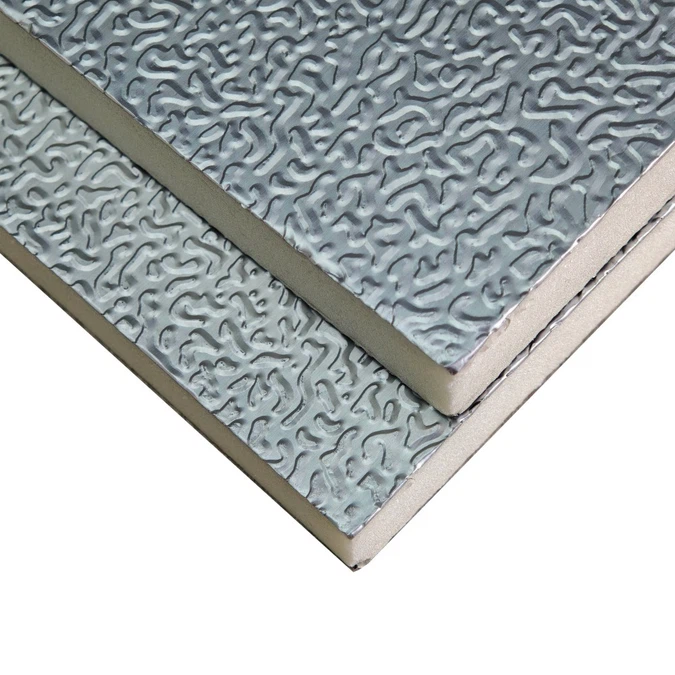
Insulated HVAC Ducting Panels Structure and Components:
Insulated HVAC ducting Panels typically consists of multiple layers working in harmony. The innermost layer, often made from materials like galvanized steel, aluminum, or painted steel, serves as the air-carrying channel. This layer is engineered to ensure smooth airflow while maintaining durability and resistance to corrosion.
Surrounding the inner layer is the insulation core, which is the heart of the system. Commonly used insulation materials include polyurethane (PU), polyisocyanurate (PIR) and phenolic foam. Each material offers unique properties, but all are chosen for their low thermal conductivity, which effectively reduces heat transfer between the air inside the duct and the surrounding environment. This insulation layer acts as a thermal barrier, preventing the loss of cooled or heated air and minimizing the energy required to maintain the desired indoor temperature.
The outermost layer is a protective jacket, designed to shield the insulation from external factors. Made of materials such as aluminum foil, aluminum sheet, or painted steel, this jacket guards against moisture, mechanical damage, and environmental elements, ensuring the longevity of the ducting system.
Insulated HVAC Ducting Panels Key Advantages:
Energy Efficiency
One of the most significant advantages of insulated HVAC ducting Panel is its ability to boost energy efficiency. In traditional non-insulated ducts, a substantial amount of energy is wasted due to heat gain or loss. Insulated ducts, on the other hand, reduce these losses by up to 40%, ensuring that the conditioned air reaches its destination with minimal temperature fluctuations. This means that HVAC systems don't have to work as hard or run as long, resulting in lower energy consumption and reduced utility bills. For large commercial buildings or industrial facilities, these energy savings can amount to a significant reduction in operational costs over time.
Improved Indoor Comfort
Insulated HVAC ducting plays a crucial role in maintaining a consistent and comfortable indoor environment. By preventing heat transfer, it eliminates hot and cold spots within buildings, ensuring that every room receives air at the desired temperature. Additionally, the airtight design of insulated ducts minimizes air leakage, which can otherwise lead to drafts and uneven air distribution. This results in a more stable and pleasant indoor climate, enhancing the comfort of building occupants and improving productivity in commercial and office settings.
Enhanced Durability and Longevity
The combination of high-quality insulation and a robust protective jacket makes insulated HVAC ducting highly resistant to wear and tear. The insulation layer prevents condensation and moisture buildup, which can cause corrosion and mold growth in traditional ducts. The outer jacket further protects the system from physical damage, extending its lifespan significantly. With reduced maintenance requirements and fewer replacements needed, building owners can enjoy long-term cost savings.
Fire Safety
Many insulated HVAC ducting systems incorporate fire resistant insulation materials. For example, phenolic foam and PIR Foam are known for their excellent fire - retardant properties. In the event of a fire, these materials do not contribute to the spread of flames and produce minimal smoke and toxic fumes. This makes insulated HVAC ducting a safer choice, especially for buildings with strict fire safety regulations, such as hospitals, schools, and high-rise structures.
Environmental Friendliness
Insulated HVAC ducting contributes to environmental sustainability in multiple ways. By reducing energy consumption, it helps lower greenhouse gas emissions associated with HVAC operation. Additionally, many insulation materials used in these ducts are recyclable or made from recycled content, further minimizing the environmental impact. As buildings strive to meet green building standards and reduce their carbon footprint, insulated HVAC ducting becomes an essential component of sustainable design.
Insulated HVAC Ducting Panels Applications:

is widely used across various building types. In commercial buildings, including offices, shopping malls, hotels, and restaurants, it ensures a comfortable indoor environment while keeping energy costs under control. In industrial facilities, such as factories and warehouses, it helps maintain specific temperature and humidity conditions required for manufacturing processes. In residential buildings, insulated ducting improves the efficiency of home heating and cooling systems, enhancing the comfort of living spaces and reducing monthly energy bills. It is also commonly used in healthcare facilities, where maintaining air quality and temperature stability is crucial for patient well-being.
In conclusion, insulated HVAC ducting offers a comprehensive solution for efficient and sustainable air distribution in modern buildings. With its numerous benefits, including energy savings, improved comfort, durability, fire safety, and environmental friendliness, it has become an indispensable part of contemporary HVAC systems, shaping the future of building design and operation.
Specification of PIR Insulated HVAC Ducting Panels
|
Item |
Unit |
Specification |
|
Panel Structure |
|
Alu./ PIR Foam/ Alu. |
|
Standard Panel Size |
mm |
3950*1200*20 |
|
Alu. Foil Thickness |
mm |
0.06 |
|
Foam Density |
kg/m3 |
48 |
|
Thermal Conductivity |
w/m.k |
0.022 |
|
Compressing Strength |
Mpa |
0.2 |
|
Bending Strength |
Mpa |
2 |
|
Water Absorption |
% |
0.36 |
|
Dimension Change |
% |
0.3 |
|
Working Temperature |
℃ |
-100 to +80 |
|
Maximum Allowable Wind Velocity |
m/s |
≤12 |
|
Continuous Running Maximum Temperature |
℃ |
≤70 |
|
Lifespan of PIR Air Duct |
years |
>20 |
Hot Tags: insulated hvac ducting panels, China, suppliers, manufacturers, factory, customized