


Overview of Pre-insulated ducting panels
Pre-insulated ducting panels are innovative, all-in-one components designed to replace traditional galvanized steel ducts + separate insulation systems in HVAC (Heating, Ventilation, and Air Conditioning) projects. They integrate a structural core, thermal insulation layer, and protective facings into a single panel-streamlining installation, boosting energy efficiency, and reducing long-term maintenance costs. Below is a detailed breakdown of their key features, types, benefits, and applications.
The choice of insulation core material defines the panel's performance, cost, and suitability for specific projects. Here are the 3 most common types:
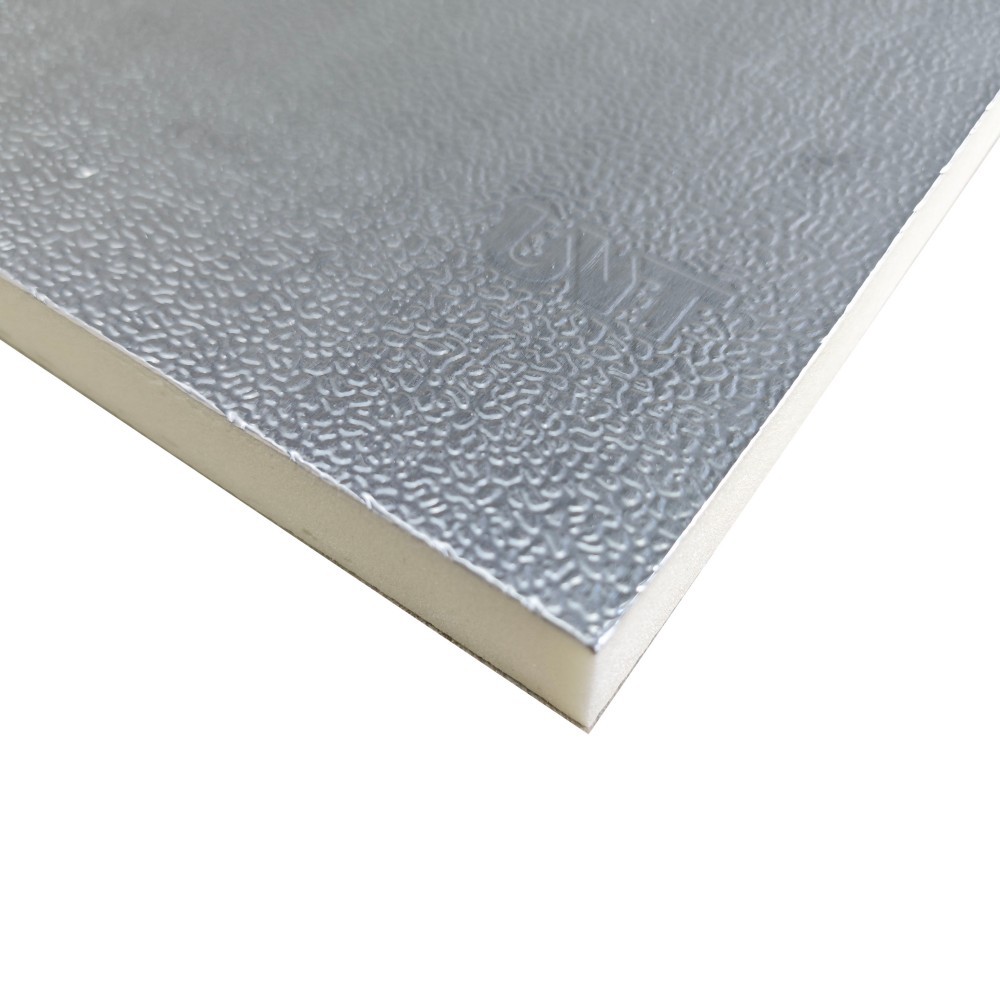
A. Polyurethane (PU) Pre-insulated Panels
Key Properties: Excellent thermal insulation (λ = 0.02 W/m·K), closed-cell foam structure (waterproof), and high compressive strength (50–60 kg/m³ density). Lightweight, cost-effective, and easy to cut/fabricate.
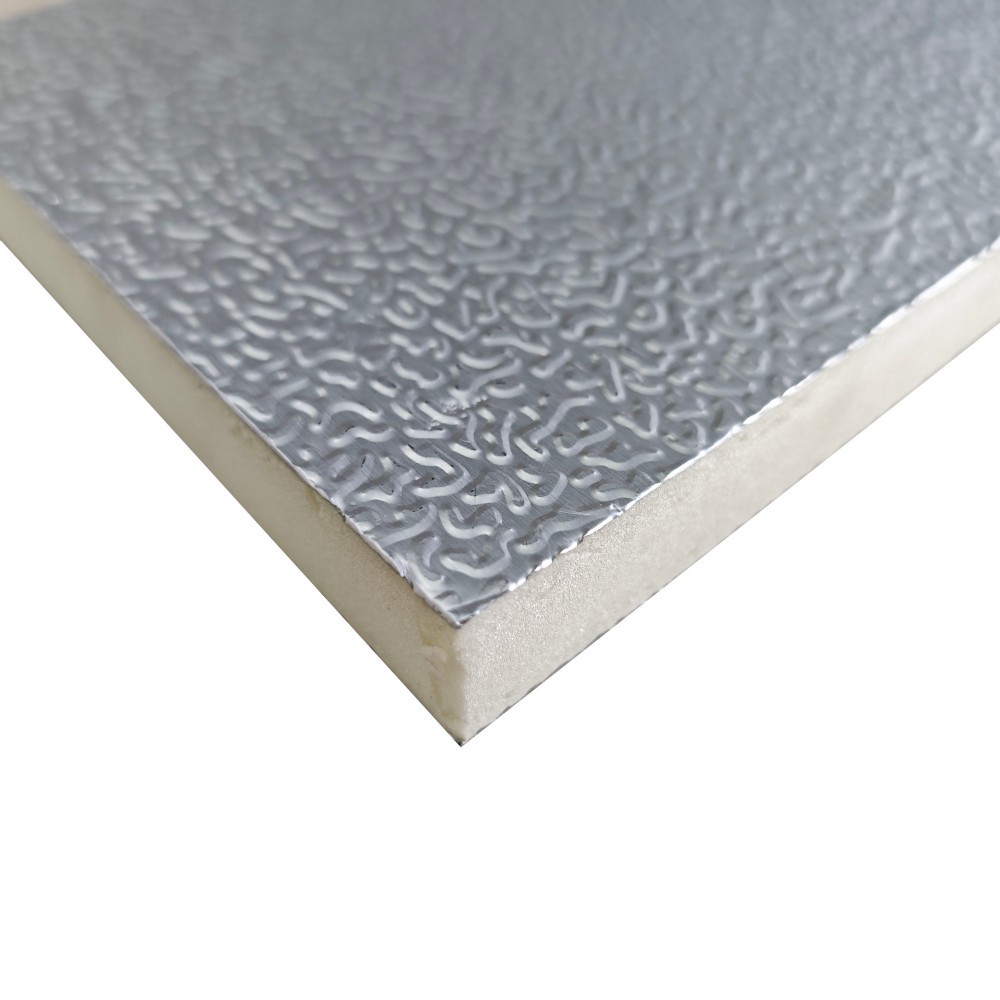
B. Polyisocyanurate (PIR) Pre-insulated Panels
Key Properties: Superior fire resistance (self-extinguishing, low smoke emission) and thermal efficiency (λ = 0.020–0.024 W/m·K), even at high temperatures. Meets strict fire codes (e.g., ASTM E84 Class 1), durable, and suitable for extreme temperatures (-40°C to 120°C).
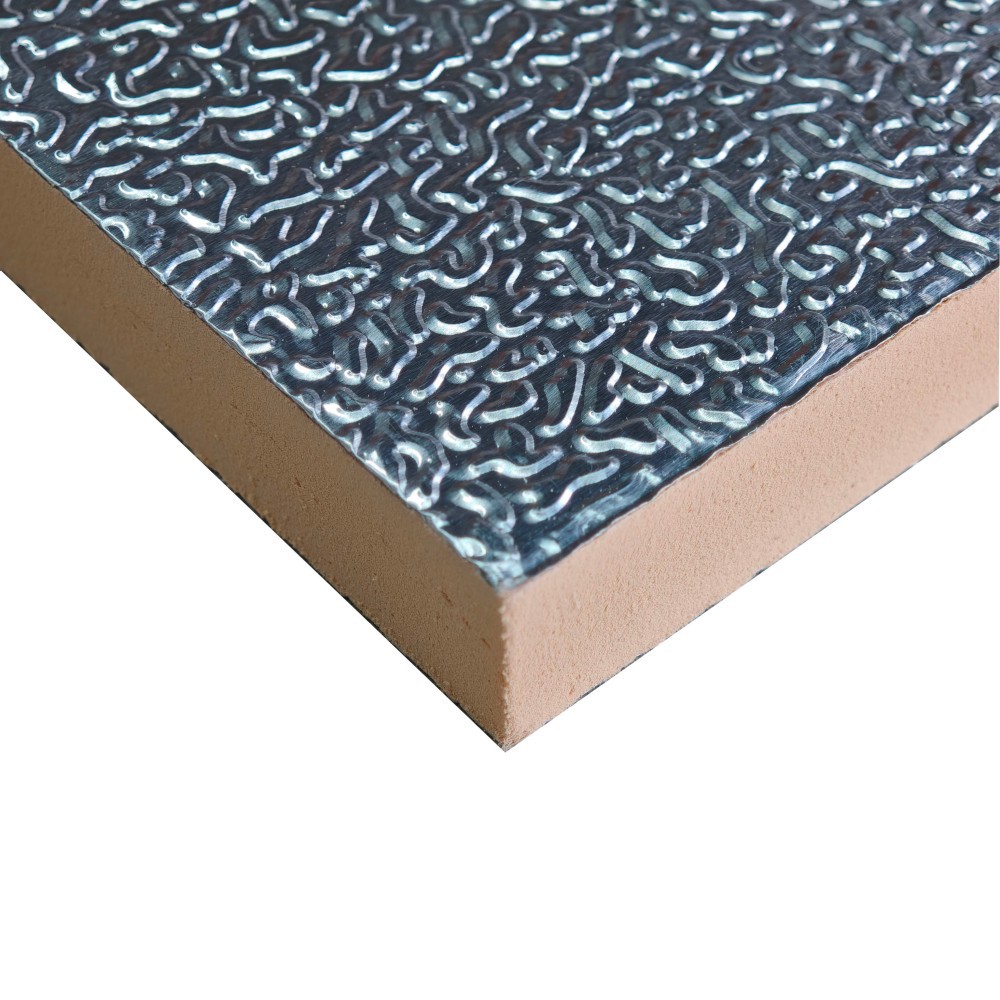
C. Phenolic Foam Pre-insulated Panels
Key Properties: Outstanding fire safety (non-combustible, zero flame spread), low smoke toxicity, and good thermal insulation (λ = 0.022–0.026 W/m·K).
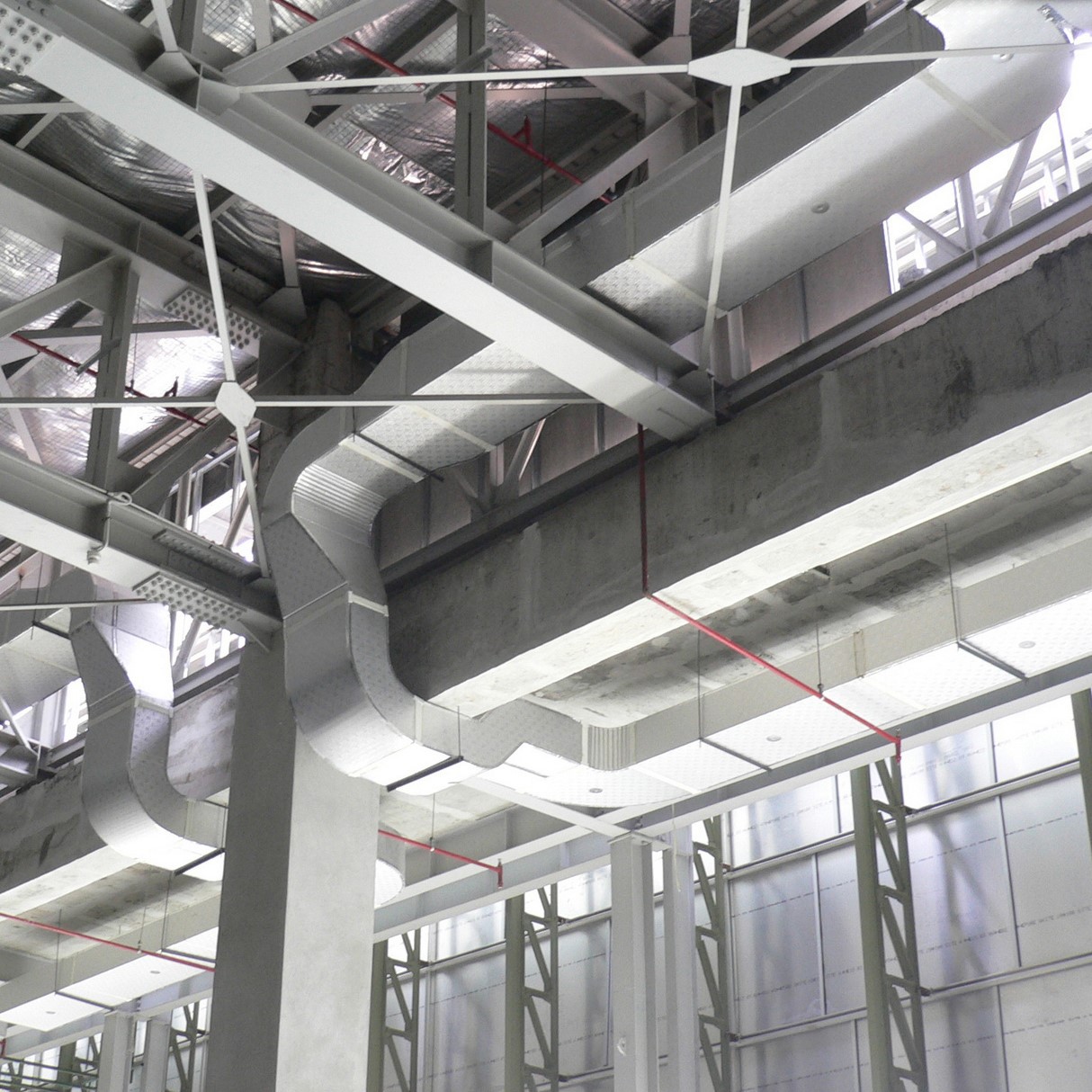
Main Types of Pre-insulated Ducting Panels
Core Advantages Over Traditional Duct Systems
Traditional HVAC ducts use galvanized steel (or stainless steel) paired with external insulation (e.g., fiberglass blankets, foam boards). Pre-insulated panels outperform this setup in 5 key ways:
✅ Superior Energy Efficiency
The integrated insulation core eliminates "thermal bridges" (gaps between duct and insulation that cause heat loss). For example, PIR/PU panels reduce energy waste by 20–30% compared to traditional insulated steel ducts-lowering utility bills for building owners.
✅ Faster Installation & Labor Savings
Pre-insulated panels are lightweight (1/5 the weight of steel ducts) and factory-prepared. They cut easily with standard tools (saw, knife) and assemble via tongue-and-groove joints or adhesive-reducing installation time by 40–60% versus traditional ducts (which require welding, flanging, and on-site insulation).
✅ Excellent Airtightness
Factory-bonded facings and precision joints minimize air leakage (≤ 2% of airflow, per EN 1507 standard), compared to 5–10% leakage in poorly sealed steel ducts. Less leakage means the HVAC system works harder, reducing wear and tear on compressors/fans.
✅ Durability & Low Maintenance
Protective aluminum/steel facings resist corrosion, mold, and UV damage. The closed-cell foam core (PU/PIR) is waterproof, so panels won't degrade from moisture. Lifespan is 20–30 years (vs. 15–20 years for traditional ducts), with minimal maintenance (no repainting or re-insulation).
✅ Space-Saving Design
The all-in-one structure is thinner than traditional "duct + insulation" setups (e.g., 10–40mm thickness vs. 50–100mm for steel + fiberglass). This is critical for tight spaces (ceiling cavities, narrow hallways) or retrofits where space is limited.
Pre-insulated ducting panels are a game-changer for HVAC contractors and building owners alike. They combine energy efficiency, speed, and durability-solving the biggest pain points of traditional duct systems (labor costs, energy waste, and maintenance). Whether you're working on a small retrofit or a large-scale commercial project, choosing the right pre-insulated panel (PU/PIR/phenolic) will deliver long-term value and compliance with modern building standards.
Hot Tags: pre-insulated ducting panel, China, suppliers, manufacturers, factory, customized


