


Pre-insulated Ductwork: Efficient, Integrated Ventilation Solutions

is a high-performance HVAC system component designed to streamline air distribution while eliminating the need for separate insulation installation.
Unlike traditional ductwork-where metal or fiberglass ducts require additional insulation layers applied on-site-pre-insulated ductwork integrates a protective outer shell, a core insulation layer, and an airtight inner surface into a single, factory-fabricated unit.
This all-in-one design makes it a preferred choice for modern heating, ventilation, and air conditioning projects across residential, commercial, and industrial settings.
Core Structure & Design of Pre-insulated Ductwork
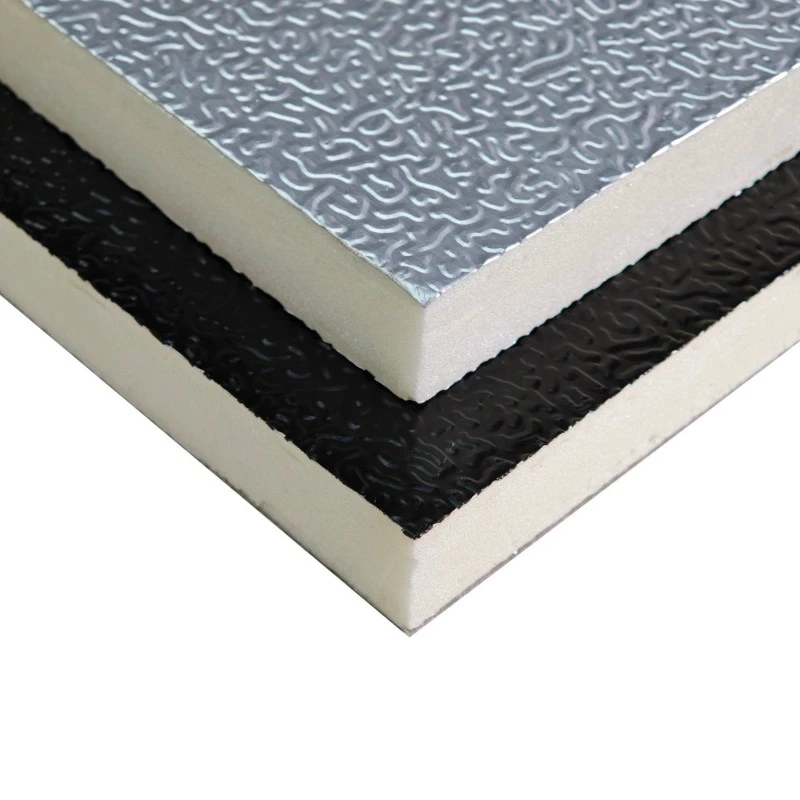
At its core, pre-insulated ductwork features a sandwich-like construction optimized for thermal efficiency and durability:
Inner Layer: A smooth, non-porous surface (typically aluminum foil, galvanized steel, or food-grade metal) that ensures unobstructed airflow, minimizes pressure drops, and resists dust accumulation-critical for maintaining indoor air quality.
Insulation Core: The central layer, made from high-performance materials such as polyisocyanurate (PIR), polyurethane (PU), or phenolic foam. These materials boast ultra-low thermal conductivity (0.020–0.025 W/m·K), creating a powerful barrier against heat transfer to keep conditioned air (cool or warm) at stable temperatures.
Outer Layer: A rigid, weather-resistant facing (aluminum, steel, or composite materials) that shields the insulation core from physical damage, moisture, corrosion, and UV exposure, ensuring long-term structural integrity.
3 Types of pre-insulated ductwork


Key Features and Advantages of PIR Pre-insulated Ductwork System
1. Energy Efficiency
The integrated insulation core drastically reduces heat loss or gain during air distribution, lowering HVAC system energy consumption by 30–50% compared to uninsulated or poorly insulated traditional ducts. This translates to significant utility savings and aligns with global sustainability standards.
2. Streamlined Installation
Factory-prefabricated to precise dimensions, pre-insulated ductwork arrives ready for on-site assembly. Its lightweight design and modular components (elbows, tees, reducers) simplify handling and cutting, reducing installation time by up to 50% versus traditional duct-and-insulation combinations. No specialized tools are needed, minimizing labor costs.
3. Durability & Moisture Resistance
The closed-cell structure of insulation cores (like PIR or PU) resists water absorption, preventing mold growth, insulation degradation, or structural weakening-even in humid environments (e.g., basements, coastal areas, or industrial facilities). The outer facing adds corrosion resistance, extending service life to 20-25 years with minimal maintenance.
4. Fire Safety
Most pre-insulated ductwork meets stringent fire standards (e.g., ASTM E84, EN 13501-1, GB 8624). Insulation cores are often treated with flame-retardant additives, and in case of fire, they form a protective char layer to slow flame spread and reduce toxic smoke emission, enhancing building safety.
5. Versatility
Available in various shapes (rectangular, circular, custom) and sizes, pre-insulated ductwork adapts to diverse architectural layouts. It performs reliably in extreme climates-from hot, humid regions to cold, dry zones-and suits applications ranging from residential apartments and offices to hospitals, airports, and industrial warehouses.
the fabrication process of pre-insulated ductwork


Hot Tags: pre-insulated ductworks, China, suppliers, manufacturers, factory, customized


